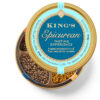
Quick answer: Caviar is the salt-cured roe (eggs) of sturgeon, prized for its delicate flavour, texture and rarity. True caviar comes only from sturgeon — Beluga, Oscietra, Kaluga and other species — while the eggs of other fish, such as salmon, are sold as roe rather than caviar. It is best served simply and chilled, in small amounts, with a mother-of-pearl spoon.
Few foods carry the mystique of caviar. As we like to say at King’s, we are selling the most expensive food in the world — a delicacy that has graced royal tables for centuries. But what exactly is caviar, what is it made of, and why does it taste, and cost, the way it does? Drawing on the expertise of our founder Laura King MBE, widely regarded as the UK’s leading caviar expert, this guide explains everything you need to know.

What is caviar made of?
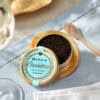
Caviar is made from the roe — the eggs — of sturgeon, an ancient family of fish. The roe is harvested, gently salted and matured, which develops its signature flavour and texture.
That’s all genuine caviar is: sturgeon roe and a little salt. The craft lies in the quality of the fish, the freshness of the roe and the skill of the grading.
Is caviar just fish eggs? Caviar vs roe
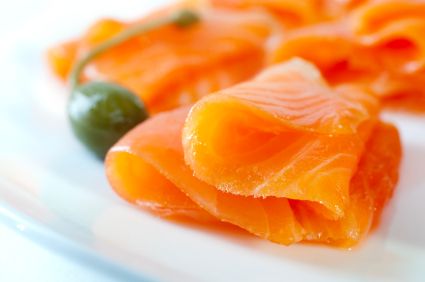
All caviar is fish roe, but not all fish roe is caviar. The term “caviar” is reserved for the roe of sturgeon. The eggs of other fish — salmon, trout, herring, lumpfish — are also delicious and are sold as roe, but they are not true caviar. At King’s you’ll find both: our sturgeon caviar, and a separate selection of fish roe ranging from vibrant orange to bright green wasabi roe.
A short history: the “cake of strength”
The word “caviar” is a Persian term meaning “cake of strength.” It’s a common assumption that the Russians were the first to extract and enjoy caviar, when in fact it was the Persians, in the 16th century, who believed it had healing properties. In the 18th century caviar was even regarded as the food of the poor — until royal chefs introduced it to the Russian Tsars and nobility, and its reputation as a luxury was born.
Types of caviar
Caviar comes from several species of sturgeon, and the species is the single biggest factor in a caviar’s character, rarity and price. The varieties carefully selected by Laura and Holly King include:
| Variety | Flavour | Luxury | Best for | Price |
|---|---|---|---|---|
| Aquitaine / Siberian | Fresh & clean | ★★★ | First-timers | £ |
| Oscietra | Nutty & buttery | ★★★★ | Enthusiasts | ££ |
| Kaluga | Rich & full-bodied | ★★★★ | Special occasions | £££ |
| Beluga | Smooth & refined | ★★★★★ | Luxury gifts | ££££ |
| Almas Diamond | Delicate & golden | ★★★★★ | Collectors | £££££ |
King’s guide — a quick comparison of our caviars. View the full Caviar Prices guide →

What makes King’s caviar different?
For more than two decades, Laura King MBE — widely regarded as the UK’s leading caviar expert — has sourced and supplied caviar to some of the UK’s finest restaurants, luxury retailers, airlines and private clients.
Caviar is also one of the most commonly mislabelled luxury foods in the world. That’s why King’s Fine Food was the first UK food company to introduce DNA testing of all of its caviar, verifying the exact species of sturgeon behind every tin.
“We are selling the most expensive food in the world, so we need complete confidence in what we are buying. DNA testing gives us that.”
— Laura King MBE, Founder, King’s Fine Food
Modern caviar production has moved towards sustainable aquaculture, helping protect wild sturgeon populations. When you buy from King’s — holder of a Royal Warrant — you can be confident your caviar has been selected with care, verified with integrity, and is exactly what it claims to be.
What does caviar taste like?
Good caviar should never taste “fishy”. It has a delicate flavour, and the variety shapes the character — from the buttery, lobster-like sweetness of Oscietra to the rich, full-bodied finish of Kaluga. Texture matters as much as taste: the pearls should gently “pop” on the palate, with a clean finish that lingers. Because the flavour is so delicate, caviar is best served with accompaniments that don’t overwhelm it — if anything at all.
How to serve caviar
- Use a mother-of-pearl, horn or bone spoon — metal can taint the flavour.
- Serve it chilled, and open the tin just before serving.
- Keep accompaniments light: blinis, lightly toasted bread or unsalted crackers, crème fraîche, quail eggs and new potatoes.
- Allow 30–50g per person, or about 5g per canapé.
- To drink: chilled Champagne, vodka or a dry white wine — see our Caviar Pairing Guide.
King’s caviar has a shelf life of three months plus — see our guide to How to Store Your Caviar from Laura King.

How much does caviar cost?
From an introductory 10g tin to the world’s most prestigious Beluga, prices vary significantly depending on species, rarity and size.
View our Caviar Prices Guide →Frequently asked questions
What is caviar?
Caviar is the salt-cured roe (eggs) of sturgeon. It’s prized for its delicate flavour, texture and rarity, and is traditionally served chilled, in small amounts, with a mother-of-pearl spoon.
Is caviar fish eggs?
Yes — caviar is fish eggs, but specifically the roe of sturgeon. Eggs from other fish, such as salmon or trout, are sold as roe rather than caviar.
What does caviar taste like?
Delicate and never “fishy”. Flavours range from the buttery, lobster-like sweetness of Oscietra to the rich, full-bodied finish of Kaluga, with pearls that gently pop on the palate.
Is caviar healthy?
Caviar contains protein, omega-3 fatty acids, vitamins and minerals. Like many luxury foods, it is best enjoyed in moderation as part of a balanced diet.
What is the best caviar for beginners?
Our Aquitaine, offered in a convenient 10g tin, is the perfect introductory size — fresh, clean and an ideal way to try real sturgeon caviar for the first time.
What drink goes best with caviar?
The classic pairings are chilled Champagne, ice-cold vodka or a crisp dry white wine. For more ideas, see our Caviar Pairing Guide.
How much caviar do I need for two people?
As a guide, allow 30–50g per person served on its own — so roughly 60–100g for two. For canapés, work on about 5g each.
Can you eat caviar every day?
There’s nothing to stop you, but caviar is a luxury traditionally enjoyed in small amounts and on special occasions — which is part of what makes it so memorable.
Why is caviar so expensive?
Sturgeon take many years to mature before they produce roe — typically 12+ years for Beluga and over 15 for Kaluga — and the finest grades are rare and carefully hand-graded.
How do I know my caviar is genuine?
King’s was the first UK food company to DNA-test all of its caviar, so the species behind every tin is verified — giving you complete confidence in what you’re buying.
Explore our Royal Warrant caviar collection
Founded in 2004 by Laura King MBE — the “Queen of Caviar” — and holder of a Royal Warrant, King’s Fine Food supplies some of the world’s finest foodhalls, restaurants, hotels and airlines, as well as customers at home. Shop all caviar →
Continue learning
- Caviar Prices UK — how much caviar costs by variety and tin size
- How to Store Caviar — keep your caviar at its best
- Caviar Pairing Guide — what to serve and drink with caviar
- Fish Roe — salmon, trout and other roe at King’s
“Caviar is the food of the gods and an experience never forgotten…”
Noël Coward