Quick answer
English sparkling wine is made the same way as Champagne, bottle-fermented from Chardonnay, Pinot Noir and Pinot Meunier grown on England’s chalk soils. The best examples now rival, and in blind tastings beat, Champagne, offering a brighter, fresher style.
Once a curiosity, English sparkling wine is now one of the great success stories of British food and drink. It has beaten Champagne in blind tastings, won the world’s top awards, and become the patriotic pour of choice for summer celebrations up and down the country. If you have yet to explore it (or want to know which bottle to reach for and what to serve it with) this guide is for you.
Why is English sparkling wine so good?
The secret lies, surprisingly, in geology and climate. The chalky soils of southern England (particularly in Sussex, Kent and Hampshire) are a geological continuation of the same seam that runs beneath the Champagne region of France. Combine that chalk with England’s cool climate, which allows grapes to ripen slowly and retain bright acidity, and you have near-perfect conditions for producing elegant, age-worthy sparkling wine. As the climate has warmed, English vineyards have flourished, and the results now stand comfortably alongside the world’s best.
How is it made?
The finest English sparkling wines are made using the traditional method, the same painstaking process used in Champagne, where the wine undergoes a second fermentation in the bottle to create those fine, persistent bubbles. The classic grape varieties are the same trio used in Champagne too: Chardonnay, Pinot Noir and Pinot Meunier. The wines are then aged on their lees (spent yeast) for months or years, developing the toasty, biscuity complexity that marks out a serious sparkling wine.
English sparkling wine vs Champagne: what’s the difference?
The two are made the same way, from the same grapes, often on similar chalk soils, so the comparison is fair. The differences are ones of style and character. English sparkling wines tend to show a little more racy acidity and a bright, orchard-fruit freshness, thanks to the cooler climate, while Champagne often leans richer and more autolytic. Crucially, the best English wines are no longer the underdog: in numerous blind tastings they have matched or beaten prestigious Champagnes. Choosing English is no compromise; it is a statement of quality and provenance.
| English sparkling | Champagne | |
|---|---|---|
| Region | Sussex, Kent, Hampshire | Champagne, France |
| Method | Traditional (bottle-fermented) | Traditional (bottle-fermented) |
| Grapes | Chardonnay, Pinot Noir, Pinot Meunier | Chardonnay, Pinot Noir, Pinot Meunier |
| Style | Bright, racy, orchard-fresh | Richer, toastier, autolytic |
| Soil | Chalk (same seam as Champagne) | Chalk |
What to look for when buying
- Traditional method on the label, this signals bottle-fermented quality
- Estates from Sussex, Kent and Hampshire, the heartland of English fizz
- A vintage wine (from a single year) for extra complexity and ageing potential
- Brut for a classic dry style; Blanc de Blancs (all Chardonnay) for elegance
- A respected producer with a track record at international competitions
Our Gusbourne English sparkling wine (a crisp, elegant Blanc de Blancs from Kent) is a benchmark example, while the single-vintage Gusbourne 51 Degrees North shows just how age-worthy and complex English fizz can be. Both sit within our wider wine selection. If you prefer the classic French style, our Champagne collection offers great houses such as Bollinger and Ayala too. As a Royal Warrant holder, King’s Fine Food hand-picks every bottle in its range.
When to serve it
English sparkling wine is endlessly versatile. It is the natural choice for a summer toast (a garden party, a wedding, a milestone birthday) but it is far too good to save only for celebrations. Its bright acidity makes it a genuinely brilliant food wine, equally at home as an aperitif, with a meal, or packed into a cool bag for a luxury picnic. A chilled bottle on a warm English evening is one of summer’s simple, great pleasures.
The best food pairings
That crisp acidity and fine mousse cut beautifully through rich and salty foods, which makes English sparkling wine a dream at the table. Try it with:
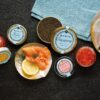
- Caviar and fish roe, a classic, near-perfect match
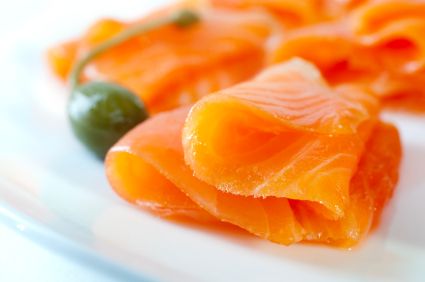
- Smoked salmon and other smoked fish
- Fish and chips, the ultimate high-low pairing that genuinely works
- Fresh oysters and shellfish
- Soft and hard cheeses, especially aged Cheddar and creamy Brie
- Strawberries and cream, or a few squares of fine chocolate
The rise of English sparkling wine
It is easy to forget how recent this success story is. Serious English sparkling wine production only took off in the late 1980s and 1990s, when a handful of pioneers recognised that southern England’s chalk and climate could rival Champagne’s. The growth since has been remarkable: according to WineGB, the UK passed 1,100 vineyards in 2024, with 4,841 hectares now under vine and over 10.6 million bottles produced in a single year, and sparkling wine accounts for around 69% of all that production. Household Champagne names have even invested in English vineyards of their own, perhaps the clearest endorsement of all. Buying a bottle is now both a treat and a way of supporting a thriving British industry.
How to store sparkling wine
A good bottle deserves a little care. Store sparkling wine on its side or upright somewhere cool, dark and free from vibration, ideally between 10°C and 15°C, and avoid the fluctuating warmth of a kitchen near the oven. Most non-vintage styles are made to drink young and fresh, while vintage wines from top estates can reward a few years of patient cellaring. Once chilled and opened, sparkling wine is best enjoyed the same day; a proper sparkling-wine stopper will help it keep its fizz overnight in the fridge if needed.
How to serve it properly
Get the details right and a good bottle sings:
- Chill to around 6–8°C, cold but not so cold it mutes the flavour
- Use a tulip-shaped glass rather than a flat coupe to concentrate the aromas
- Open gently, twist the bottle, not the cork, and aim for a soft sigh, not a bang
- Pour slowly down the side of the glass to preserve the bubbles
- Don’t over-fill; leave room for the wine to release its aromas
Frequently asked questions
Is English sparkling wine as good as Champagne?
Yes, the best English sparkling wines are made the same way, from the same grapes, often on the same chalk soils, and have beaten prestigious Champagnes in blind tastings. They offer a brighter, fresher style with no compromise on quality.
What is the best English sparkling wine?
Look to established estates in Sussex, Kent and Hampshire. Gusbourne, from Kent, is a benchmark producer celebrated for its precision and elegance, an excellent place to start.
What food goes with English sparkling wine?
Its crisp acidity pairs beautifully with caviar, smoked salmon, oysters, cheese and even fish and chips. It works as an aperitif, throughout a meal, or with strawberries and cream for pudding.
What temperature should you serve sparkling wine?
Chill it to around 6–8°C, cold enough to be refreshing but not so cold that it hides the wine’s flavour and aroma. Serve in a tulip-shaped glass to enjoy it at its best.
Is English sparkling wine the same as Prosecco?
No. The best English sparkling wine is made by the traditional method (second fermentation in the bottle), like Champagne, which gives finer, longer-lasting bubbles and more complexity. Prosecco is made by the cheaper tank method and is generally simpler and fruitier.
How long does English sparkling wine last unopened?
Non-vintage styles are best enjoyed within a few years of purchase, while vintage wines from top estates can age and improve for a decade or more. Store bottles cool, dark and away from vibration.
Why is English sparkling wine so expensive?
It is made by the labour-intensive traditional method, aged on its lees for months or years, and produced in a cool climate with modest yields. The quality and craft involved are comparable to Champagne, and so is the cost.
What is the difference between Blanc de Blancs and vintage sparkling wine?
Blanc de Blancs is made entirely from white (Chardonnay) grapes, giving an elegant, fresh style. A vintage wine is made from a single year’s harvest and is typically richer and more complex. Gusbourne offers both.
Recommended from King’s
Gusbourne Fine English Sparkling Wine
A crisp, elegant Blanc de Blancs from Gusbourne’s Kent estate, a benchmark English sparkling wine and the perfect summer toast. Hand-picked by a Royal Warrant holder.
Toast the British summer in style. Discover our Gusbourne English sparkling wine and explore the full fine wine and Champagne range.
Related reading
- Champagne: Does Size Matter?
- Caviar Pairing Guide: Recipes for Every Occasion
- The Luxury British Picnic: A Gourmet Hamper Guide
- What Is Caviar? A UK Buyer’s Guide
King’s Fine Food donates 10% of all net profits to charity, with the majority going to the John King Brain Tumour Foundation, whose vision is to improve outcomes for adult and paediatric patients with brain diseases and disorders.